Computers Were Faster When They Were Slower
There’s a strange truth about modern computing. Machines today are faster, lighter, and capable of doing far more than the ones we grew up with. Yet they often feel slower when you open an app, load a website, or try to do something simple.
The problem isn’t the hardware. It’s the software we run on top of it.
The Promise of Moore’s Law
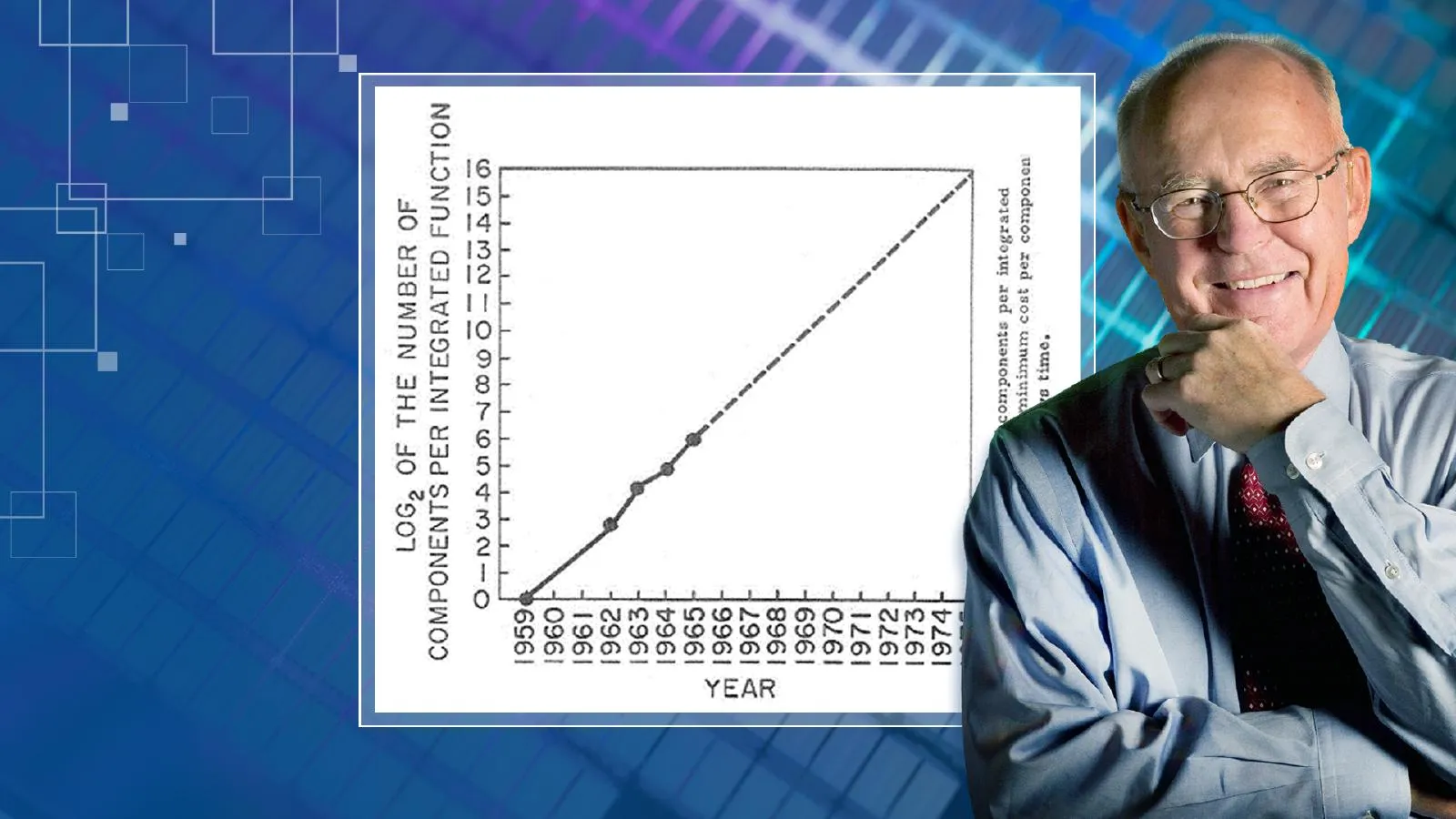
Moore’s Law predicted that transistor counts on integrated circuits would double about every two years. For decades, that meant computers would get faster and more capable at a steady, almost predictable pace.
And for the most part, this held up. Hardware has become absurdly powerful compared to what we had in the past. Even a budget phone today can run circles around high-end desktops from the early 2000s.
But while the hardware raced ahead, software development took a different path.
The Reality of Modern Software
In the early days, developers wrote programs like every byte mattered. Memory was limited. Storage was tiny. CPUs crawled. You had to be careful and intentional.
Today the mindset is different. Hardware is “good enough,” so efficiency is treated like an optional bonus. The result is software that’s larger, slower, and full of features most people never touch.
A simple example is the text editor. Years ago, it opened instantly and used a tiny amount of memory. Today, many editors load entire frameworks, sync accounts, run background processes, and ship with plugins you never asked for.
The tool is the same, but the experience is slower.
The Bandwidth vs Processing Paradox
We have faster internet, quicker storage, and stronger CPUs. Websites should load instantly. Web apps should feel snappy. Most don’t.
Modern sites stack frameworks on top of frameworks. They load megabytes of scripts to display a few paragraphs of text. The speed we gain from better hardware gets erased by layers of complexity.
A faster connection doesn’t help much when a site insists on loading twelve analytics trackers and half a megabyte of CSS.
A Small but Embarrassing Example
A developer once needed to number the lines in a text file. Instead of using the built-in Unix command nl, which does this instantly, they wrote a Python script that looped through the file line by line. It was slower, more complicated, and solved a problem the system already handled.
This isn’t rare. Many developers simply don’t know what tools already exist. They default to writing new code, often without thinking about performance, because writing feels easier than learning.
The Weight of Abstraction
Modern software leans heavily on abstraction layers. Frameworks on top of frameworks. Libraries wrapped inside other libraries.
Abstraction helps developers build things faster, but every extra layer adds cost. A small web app might load dozens of dependencies just to show a few buttons. Each library adds memory use, CPU time, and maintenance overhead.
None of this is visible to the user. They just feel the lag.
The Snowball Effect
One slow tool is manageable. A hundred slow tools running at once is a different story.
That’s where we are now. Even with hardware that is thousands of times more capable than what we had in the past, the software stack is so heavy that the performance gain gets eaten alive.
You can see this in:
- browsers that use gigabytes of RAM
- operating systems that launch dozens of background processes
- games that rely on upscaling to compensate for inefficient rendering pipelines
The hardware is strong. The software is what’s slowing us down.
The Path Forward
We don’t need to abandon modern tools. They’ve made development more accessible and allowed people to create things that would have been impossible a decade ago.
But we do need a shift in mindset. Developers should:
- learn the system tools that already exist
- write code with performance in mind
- avoid dependencies that don’t add real value
- build with intention instead of convenience
Minimalism isn’t about doing less. It’s about doing what matters and doing it well.
Conclusion
Computers are faster than ever, but they rarely feel that way. Moore’s Law keeps pushing hardware forward, but software often pulls the experience back.
If we want machines to feel fast again, we need to treat efficiency as a priority instead of an afterthought. Otherwise we’ll stay stuck in a strange loop where better hardware gives us slower programs.